


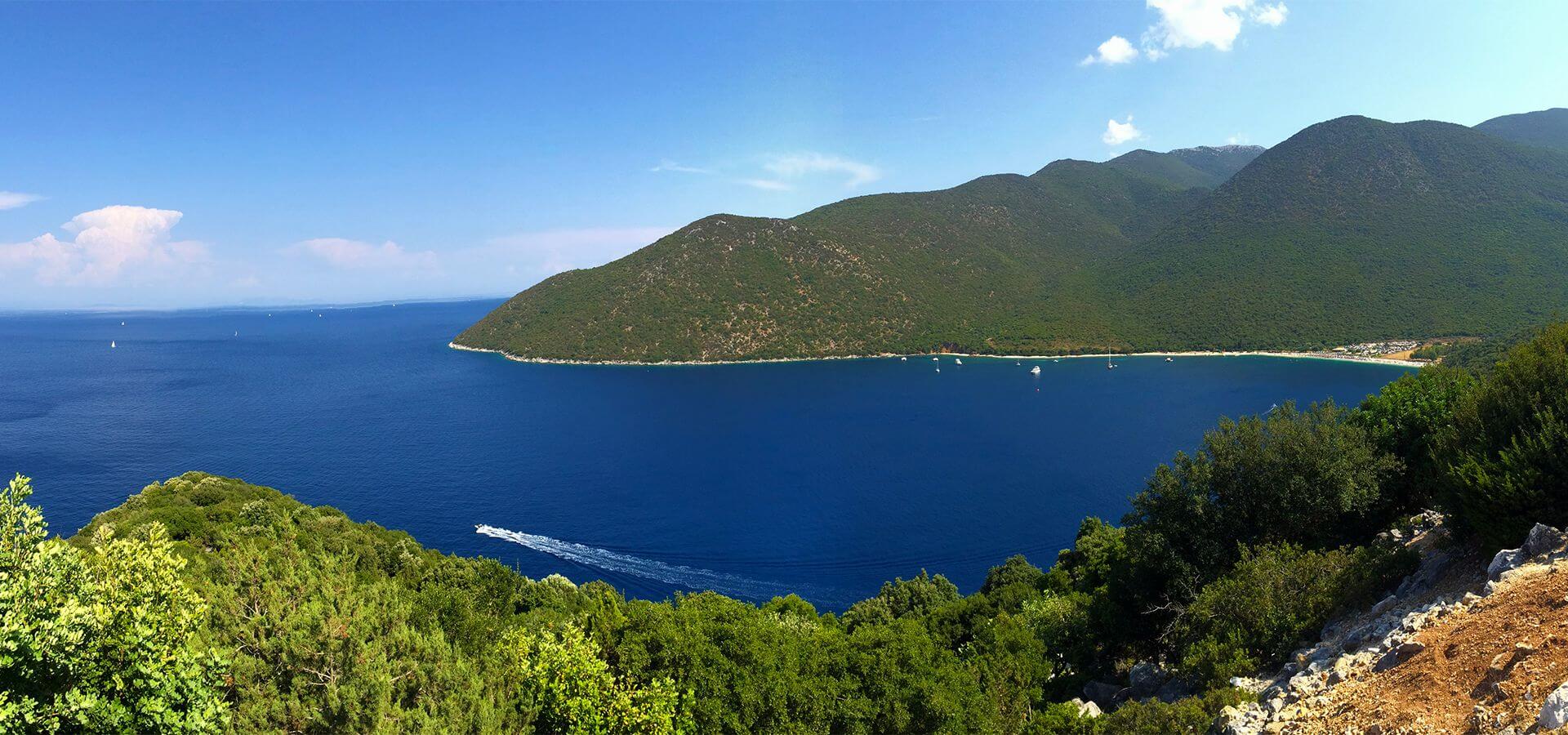
Kefalonia Views
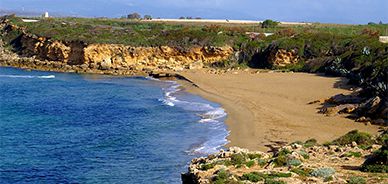
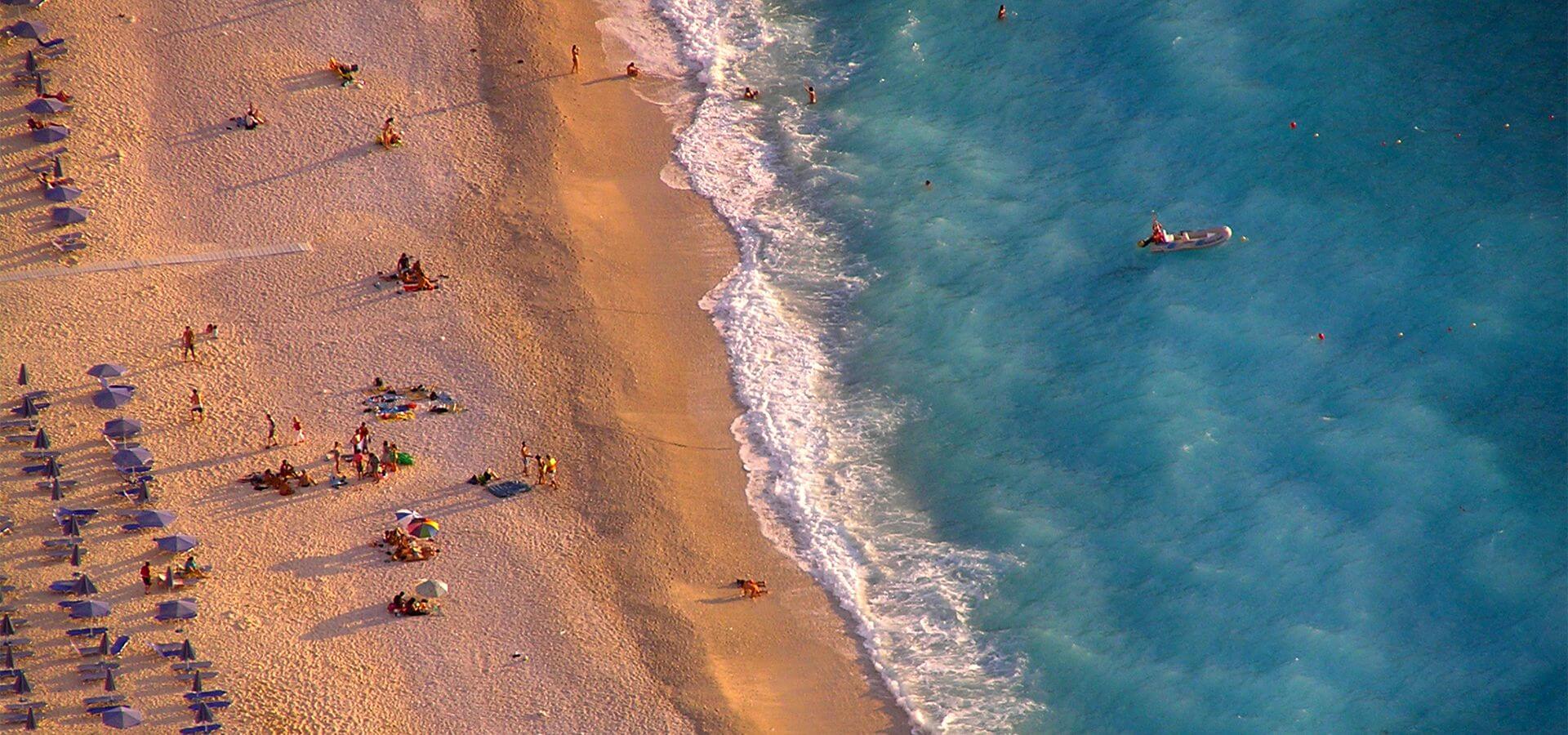
The beach of Ammes is found in the beautiful village of Svoronata, close to the airport, and located 9 km from Argostoli. It is a small sandy beach with crystal shallow waters. It is popular in Kefalonia and preferable from many locals and foreign visitors.
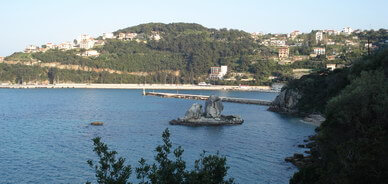
A quite coastal settlement located 40 km south west of Argostoli, Poros is an ideal choice for visitors who seek to find something more genuinely Greek, tranquile and pure. Poros is situated around the only natural crossing point of the Vohinas riverand the combination of dense and verdant vegetation along with the crystal blue sea makes this village one of the most perfect summer destinations.
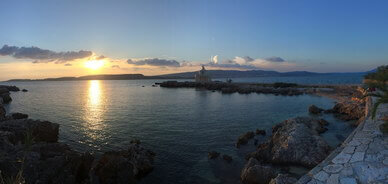
One of the main attractions and trademarks of Argostoli is the lighthouse of Saint Theodore which is located on a man-made peninsula close to the Argostoli village. It is the most romantic spot in Kefalonia and it is highly recommended for taking photographs.
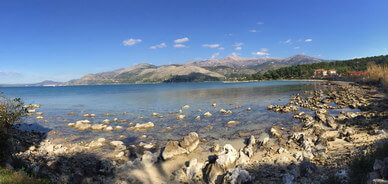
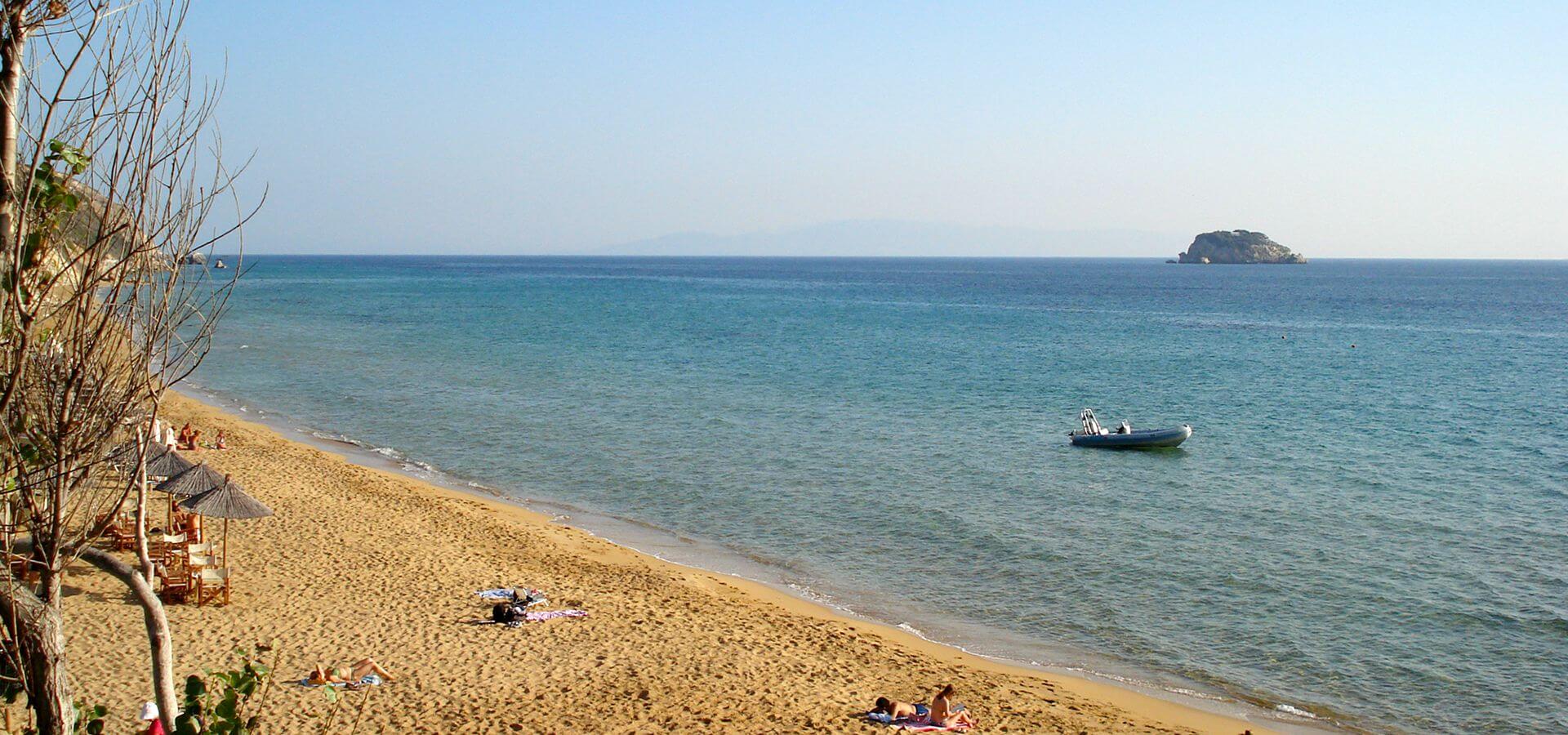
One of the most beautiful beaches of the area near the capital city. It's really in a walk's distance from Argostoli.
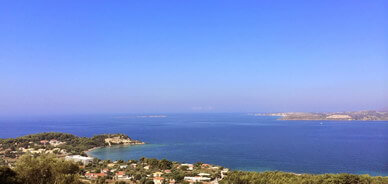
The area of Lassi is located behind the hill of Argostoli. Here you will find the most well organized beaches of the area, stores, restaurant and services, for every need. A popular place for a walk or to spend the evening!
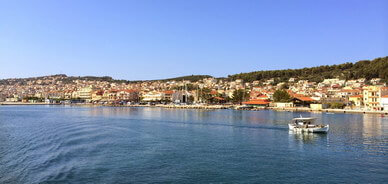
The capital of Kefalonia stands on the far end of the natural bay surrounded by mountains and verdant forests. The town was rebuilt after the catastrophic earthquake of 1953. It is a picturesque town built on hills surrounding the lagoon of Koutavos and the natural harbor formed there.
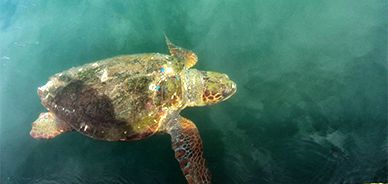
The Loggerhead sea turtles (or also known as Caretta-caretta) are the only marine turtles nesting in Greece and the Mediterranean. They can be distinguished from other turtles by their large heads, reddish-brown shells and yellow/brown skin, while they are considered to be one of the oldest species in the world. An adult Loggerhead grows to a length of 1.0-1.2m, weights between 100-350 kg and can live for around 65 years.
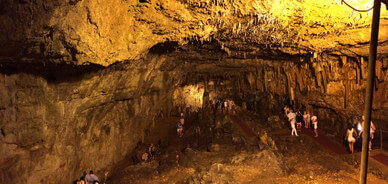
Descend the steps and an atmospheric subterranean world awaits you.
More than 300 years ago, a strong earthquake revealed the entrance to a miracle of nature: Drogarati Cave, a work of art, an astonishing marvel of more than 150 million years old, crafted gradually by nature. Orange and yellow stalactites hang from the roof like curtains while vitreous stalagmites emerge to form spacious chambers.